

Simple Ways to Reduce Noise in a Basement and Make the Space More Comfortable
Good basement sound control starts with blocking sound, absorbing echo, and sealing small air gaps. If you want a quieter basement, use insulation in the walls and ceiling, add dense drywall, seal cracks, and soften hard surfaces with rugs or panels. These steps help with loud TVs, music, footsteps above, and noise moving from room to room. Many basement remodeling plans work better when sound control is part of the design from the start.
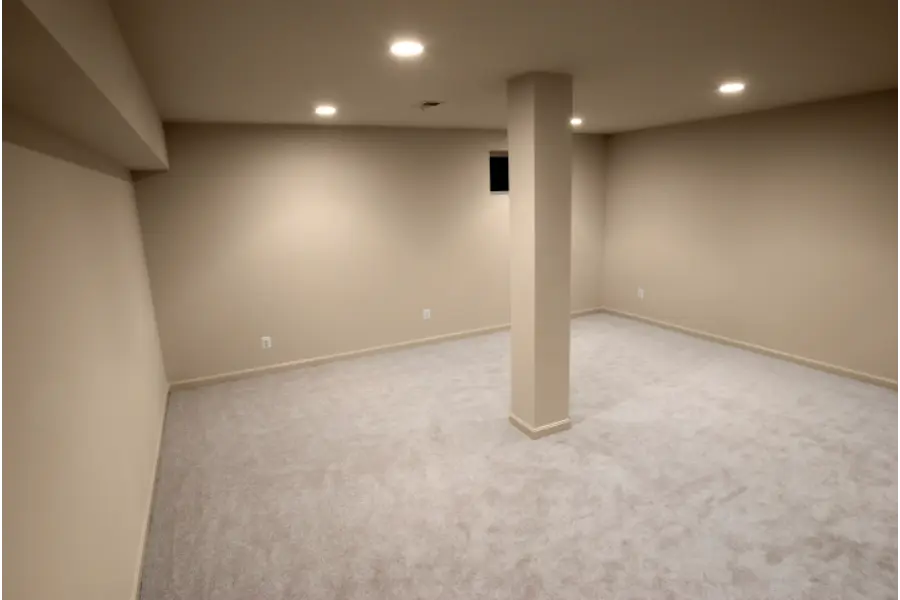
What You Need Before Starting
Before you begin, think about the kind of noise you want to reduce. Some sounds travel through the air, like voices, speakers, and game systems. Other sounds travel through the structure, like footsteps, chair movement, or a washer bumping against the floor. The best fix depends on the noise source.
It also helps to check the basement for moisture issues first. Wet walls, musty smells, or small leaks can cause trouble later if you cover surfaces too soon. In many basement remodeling projects, soundproofing works best after water problems are fixed. If your project falls under a service category keyword, treat sound control as part of the full room plan, not as an afterthought.
Here are a few items people often use:
- fiberglass or mineral wool insulation
- acoustic caulk for gaps and seams
- dense drywall
- resilient channels or sound clips
- solid-core doors
- area rugs and soft furniture
- wall panels for echo control
Step-by-Step Soundproofing Process
A clear plan can save time and money. Start with the biggest weak spots, then build from there.
- Find the main noise path. Stand in the basement and listen. Check the ceiling, door, vents, and unfinished walls.
- Seal air leaks. Use acoustic caulk around framing joints, outlet boxes, pipe openings, and wall edges.
- Add insulation. Mineral wool is a common choice because it helps absorb sound inside wall and ceiling cavities.
- Upgrade the drywall. One or two layers of dense drywall can help reduce sound transfer.
- Separate surfaces when possible. Resilient channels or sound clips can help limit vibration through framing.
- Improve the door. A hollow door leaks sound fast. A solid-core door with good weatherstripping works better.
- Soften the room. Rugs, curtains, and wall panels help cut echo inside the space.
- Check ductwork and vents. Sound can move through open duct paths, so lined ducts or baffles may help.
Common Mistakes to Avoid
One common mistake is only treating one surface. People may add panels to the walls but ignore the ceiling, door, or vent openings. Sound usually finds the easiest path, so one missed area can reduce the value of the whole project.
Another mistake is mixing up sound absorption and sound blocking. Soft foam can help reduce echo inside a room, but it does not block sound very well by itself. If your goal is to stop noise from reaching the first floor, you often need insulation, added mass, and better sealing.
Some homeowners also skip planning during basement remodeling. That can lead to tearing out finished work later just to add insulation or seal hidden gaps. It is usually easier to do sound control before the basement is fully closed up.
When to Call a Professional
You may want professional help if the basement will be a home theater, music room, office, or rental area. These uses often need stronger sound control than a basic family room. A pro can also help if the basement has low ceilings, odd framing, exposed ductwork, or moisture concerns.
Professional support can be helpful when noise problems involve more than one source. For example, your basement may have echo inside the room, footsteps from above, and sound leaking through vents all at once. In that case, a full basement remodeling plan can bring better results than a small patch fix.
A contractor may also spot building or safety issues tied to electrical boxes, HVAC runs, or fire-rated assemblies. That matters when opening walls or changing the ceiling structure.
Final Recommendation
If you want a quieter basement, start with a simple sound plan before buying materials. Focus on sealing gaps, adding insulation, increasing wall or ceiling mass, and reducing echo with soft finishes. The best results usually come from using several methods together, not just one. If you are in Beckley, WV, local conditions like home age, framing style, and basement moisture can affect the right setup. At Landmark Services LLC, we can help you choose smart basement remodeling options that fit your space. Call us at (681) 221-2870 to talk about practical next steps for a quieter basement.